


This week, I’ve been house-sitting for a friend. When they asked me to look after their chickens too, I thought: “Sure - should be simple enough”.
I imagined letting them out in the morning and shutting them in safely at night, making sure they have food and water, and - the best part - collecting the eggs.
The actual experience has been far more.
Normally, if I pass a flock of chickens, I might pause to watch them for a moment or two, smile and move on.
But being with these chickens every day has made me realise how much I normally miss. How they move, where they gather, how they relate to one another, what startles them, and - of course - the ‘pecking order’.
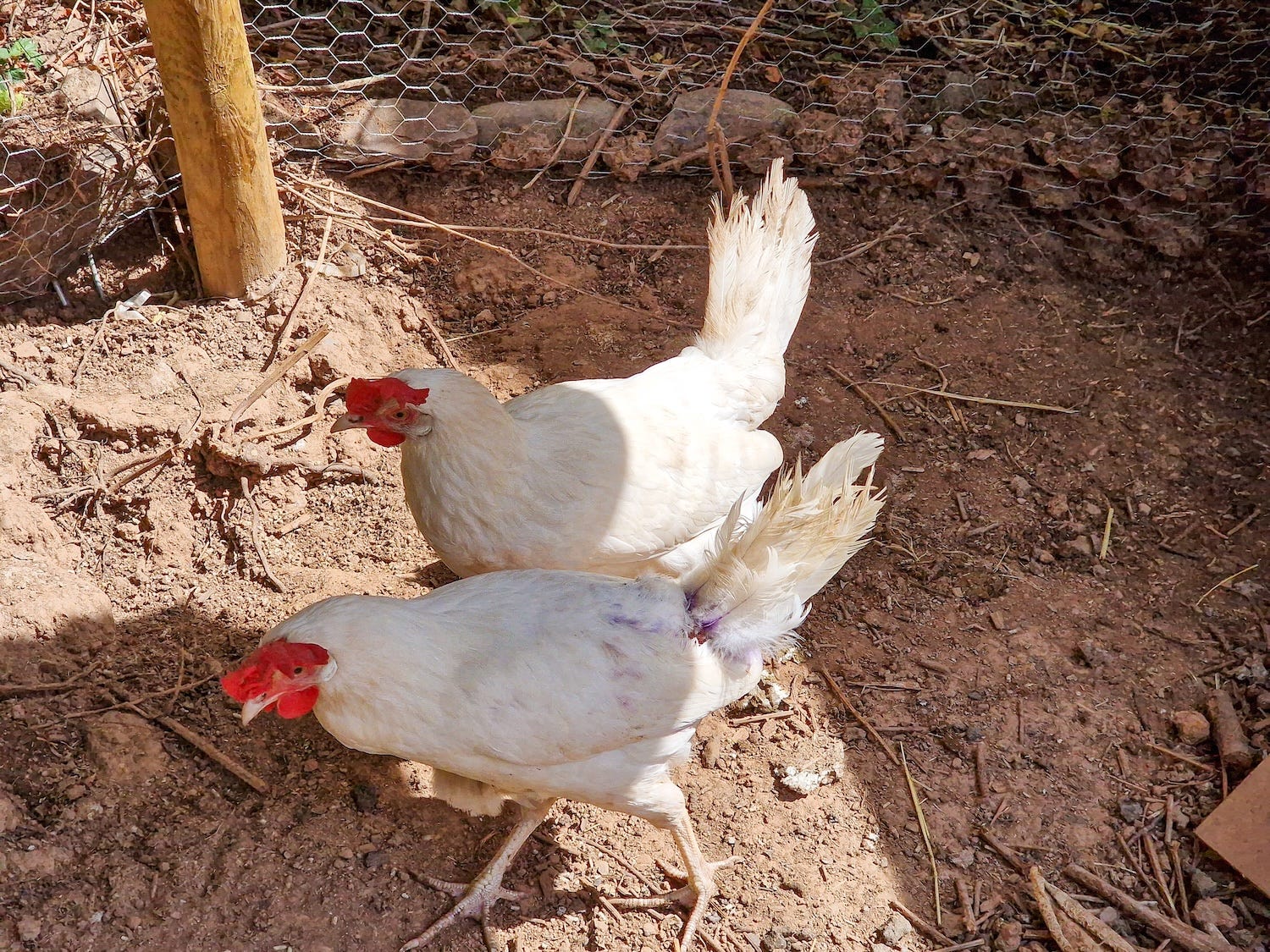
I’m noticing small changes in their behaviour; I’m learning their patterns; and I’m beginning to understand what’s normal for them and what isn’t.
In doing these things, I’m aware that my relationship with them is shifting: from performing a caring role to actually caring.
I care if they’ve all eaten, if one seems quieter than usual, if they’re where I expect them to be, if I’ve missed something that’s making them uncomfortable or unsafe.
Am I caring more because I’m noticing more? Or is it the other way round?
Either way, actually caring for this small flock has changed how I see chickens. Future encounters with other flocks will feel different.
The same is true in leadership.
In all the busy-ness, we may find ourselves engaging with leadership purely through action: decision-making, problem-solving, direction setting, and delivering results. These are important actions, but something else matters more: the quality of our attention in the process.
Our attention is shaped by what matters to us, by the stories we tell ourselves, and by what we expect to find. But leadership, like caring for anything living, relies on us noticing what is actually happening rather than what we might assume is happening.
Are we noticing that someone who normally contributes has gone quiet? Are we aware that the mood in the room has shifted, or that people have stopped asking questions, or that the pace we’re setting is driving our people too hard?
These subtle shifts in awareness depend on our capacity to see ourselves, other people, and the wider context; and to recognise these three perspectives as interconnected parts of the same system.
The chickens have reminded me of this. They have their own rhythms, preferences and patterns. They’ve shown not the slightest interest in organising their lives around mine. My role is to pay attention to theirs and act from there.
I’ve fed them and made sure they’re safe. They’ve produced eggs, scratched the ground, eaten insects and scraps, and fertilised the soil.
In other words, I’ve created the conditions for them to get on with being chickens.
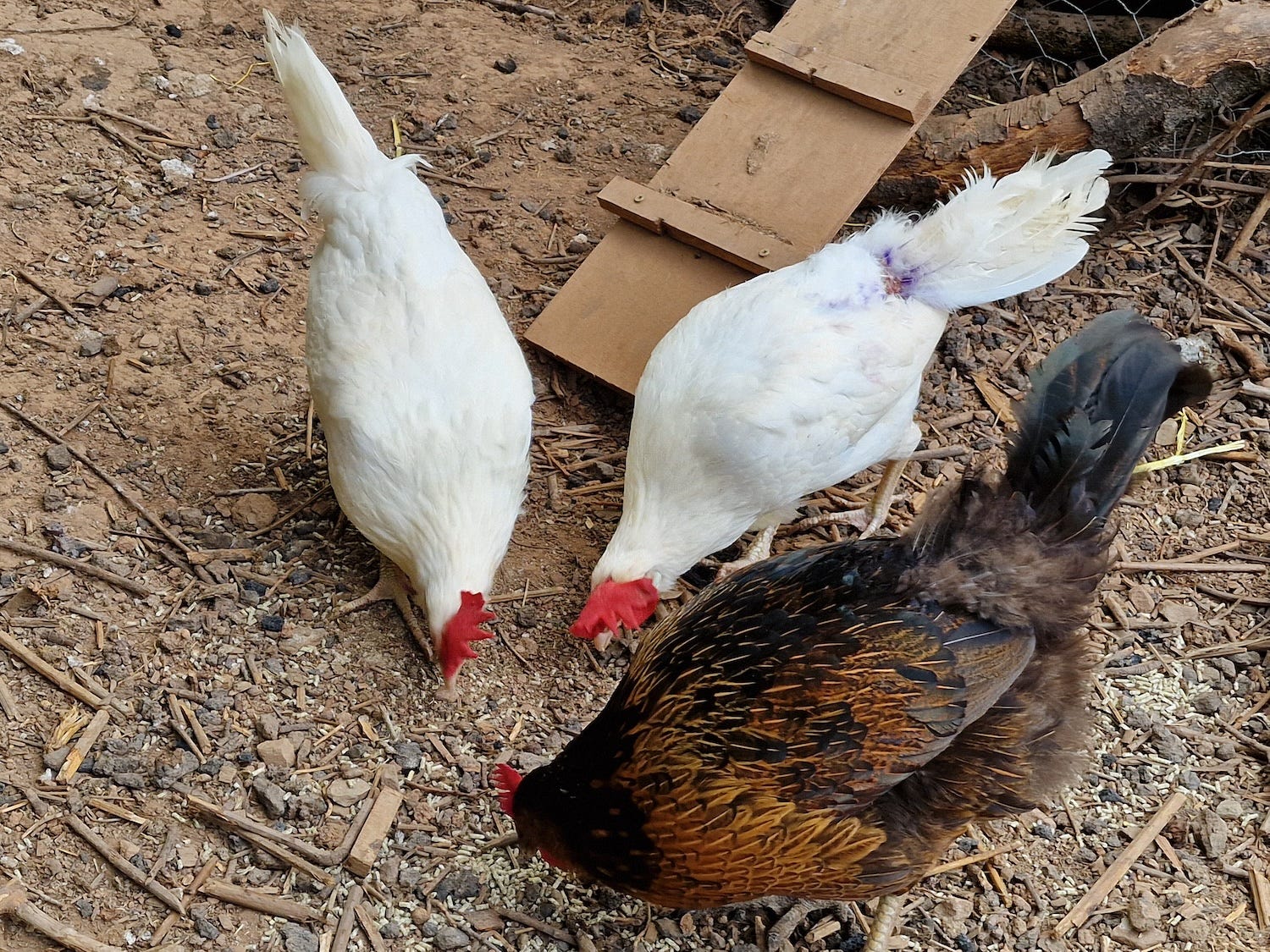
Your role as a leader is to do the same for your people: to create the conditions for them to get on with doing what they do best.
This might require you to give clear direction, or to create a safe space for innovation and experiment, or to simply be there and listen to what they want to say.
Whatever you do, what they’ll remember is how you did it and how you made them feel.
If you pay attention, you’ll feel it too.
And if you don’t, who knows what you might be missing?
With love from the mountain,
Sally-Anne
Love this distinction between the caring role and the act of caring
Love this!